Abstract
Intellectual disability (ID), once called mental retardation, is characterized by below-average intelligence or mental ability and a lack of skills necessary for day-to-day living. People with intellectual disabilities can and do learn new skills, but they learn them more slowly. There are varying degrees of intellectual disability, from mild to profound. There many children who suffer in this and we take an initiative to facilitate them the basic needs and training to develop them for a better life.
About Zhagaram
We, All The Children Trust runs with a great vision: "empowering communities, ending poverty”. We have a sizable team of knowledgeable, serious, and highly skilled professionals who have a successful track record of overseeing various social drives on occasion. We have long been involved as partners or team members in a variety of activities for young people, women, and seniors. We currently provide after-specific event training, awareness, and home facilities, mostly for needy children.
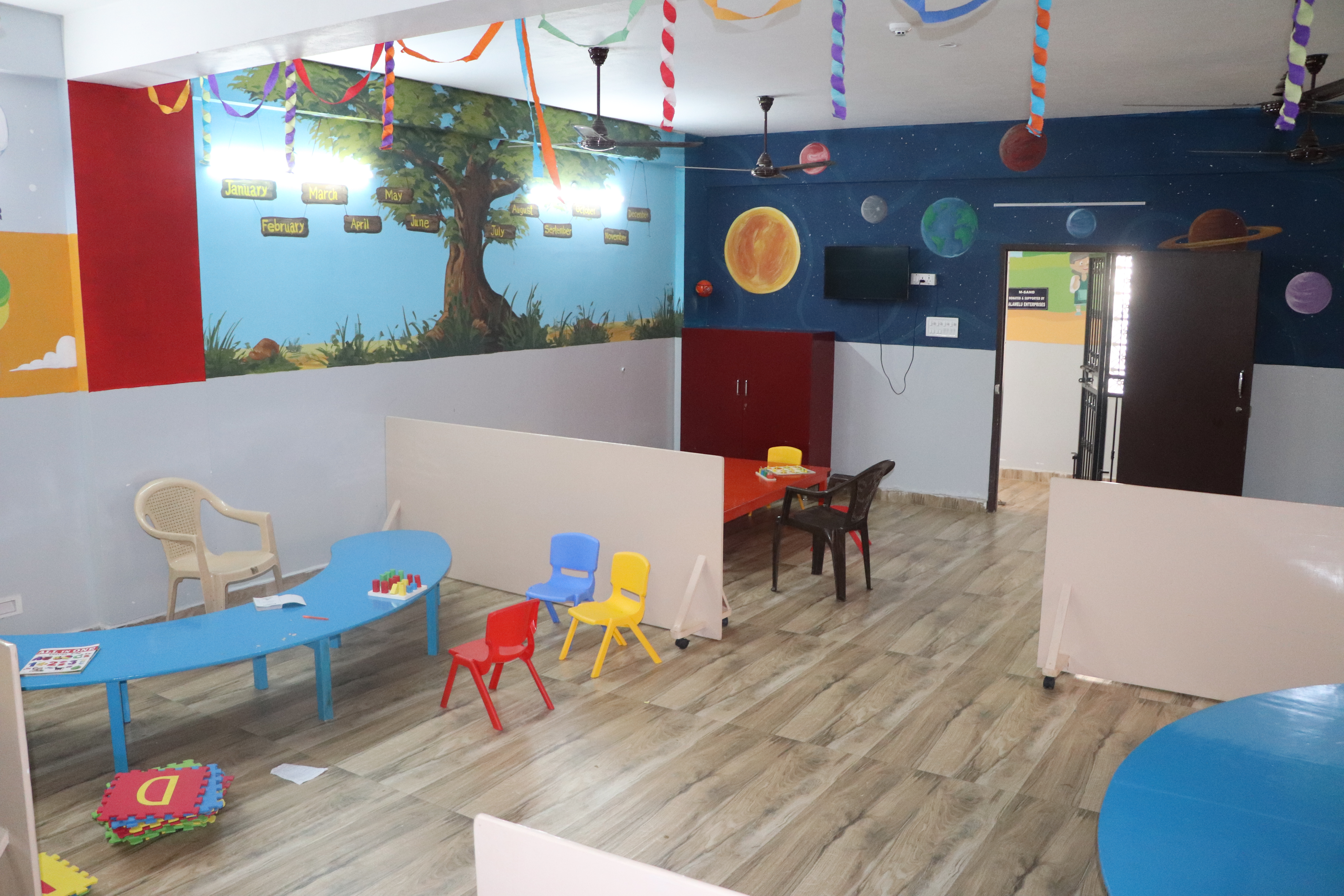
In our children home situated in Karapakkam, Chennai, which is an integrated home for boys, special children and adoption agency, we concentrate on each department with individual care and following report consist specifically for ID department details and facilities.
Intellectual Disability
ID is a term used when there are limits to a person’s ability to learn at an expected level and function in daily life. Levels of intellectual disability vary greatly in children. Children with intellectual disability might have a hard time letting others know their wants and needs, and taking care of themselves. Intellectual disability could cause a child to learn and develop more slowly than other children of the same age. It could take longer for a child with intellectual disability to learn to speak, walk, dress, or eat without help, and they could have trouble learning in school.
Any child with any disability or intellectual disability should have individualised care in all aspects of their daily life. That’s what we focus on providing through our department.
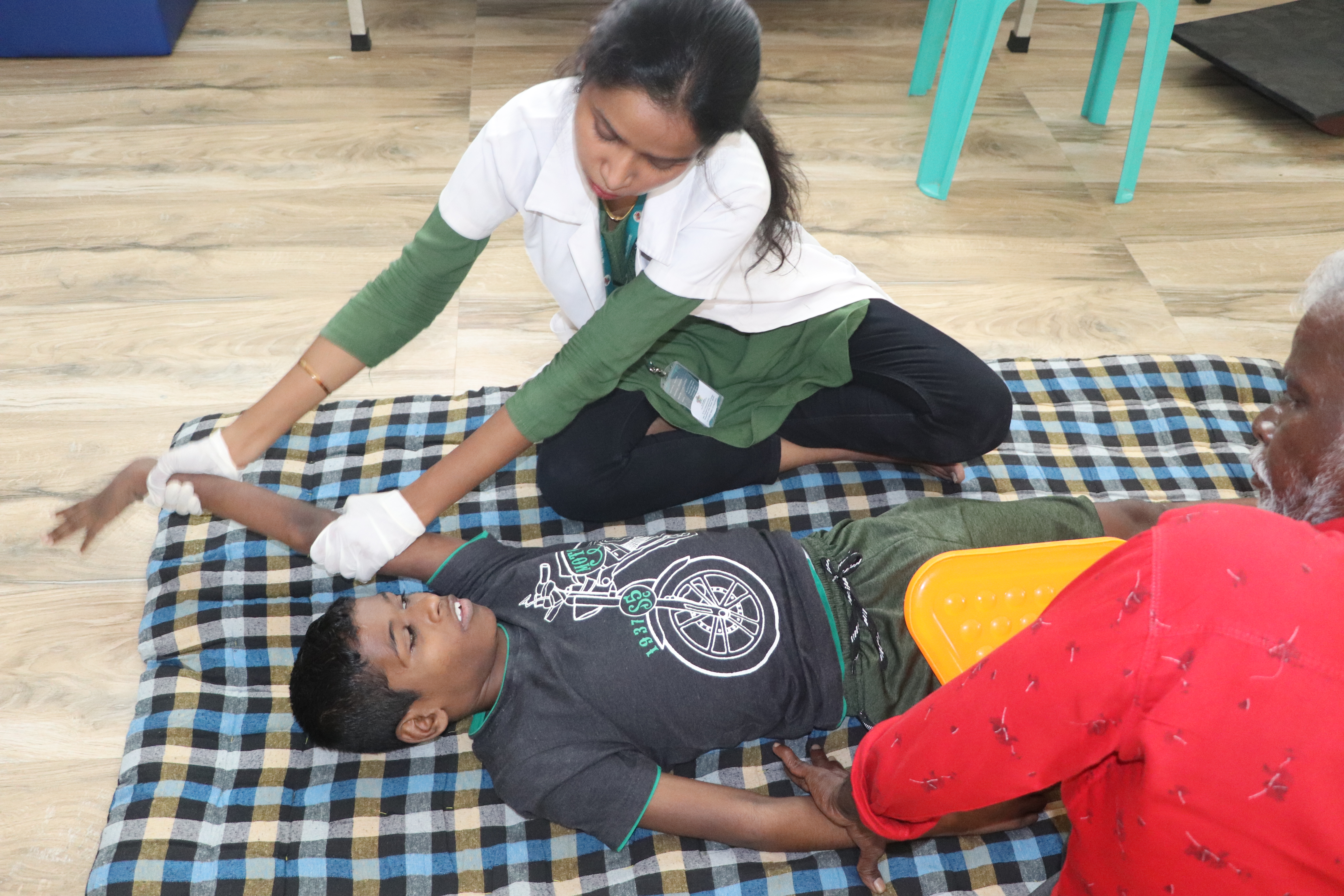
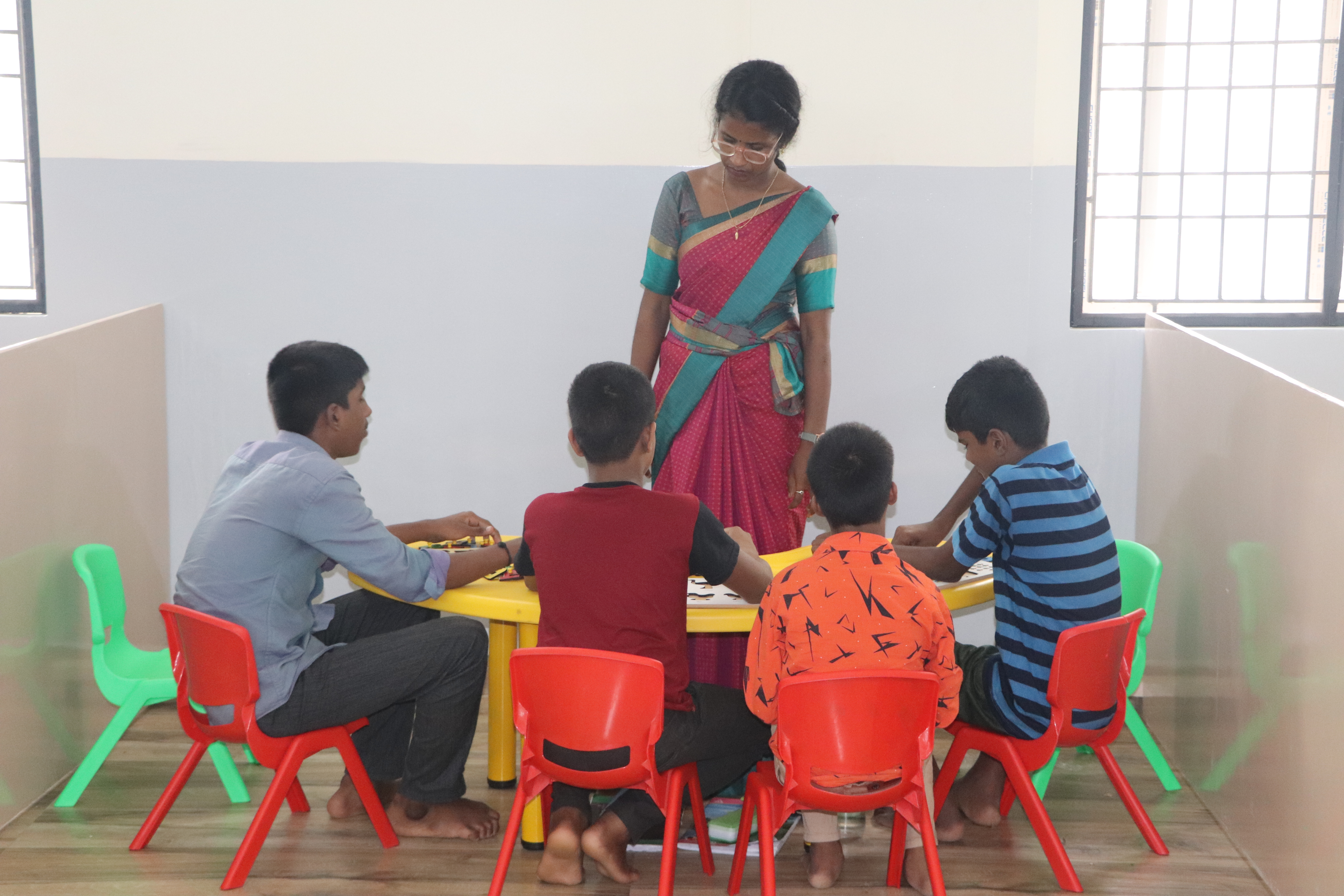
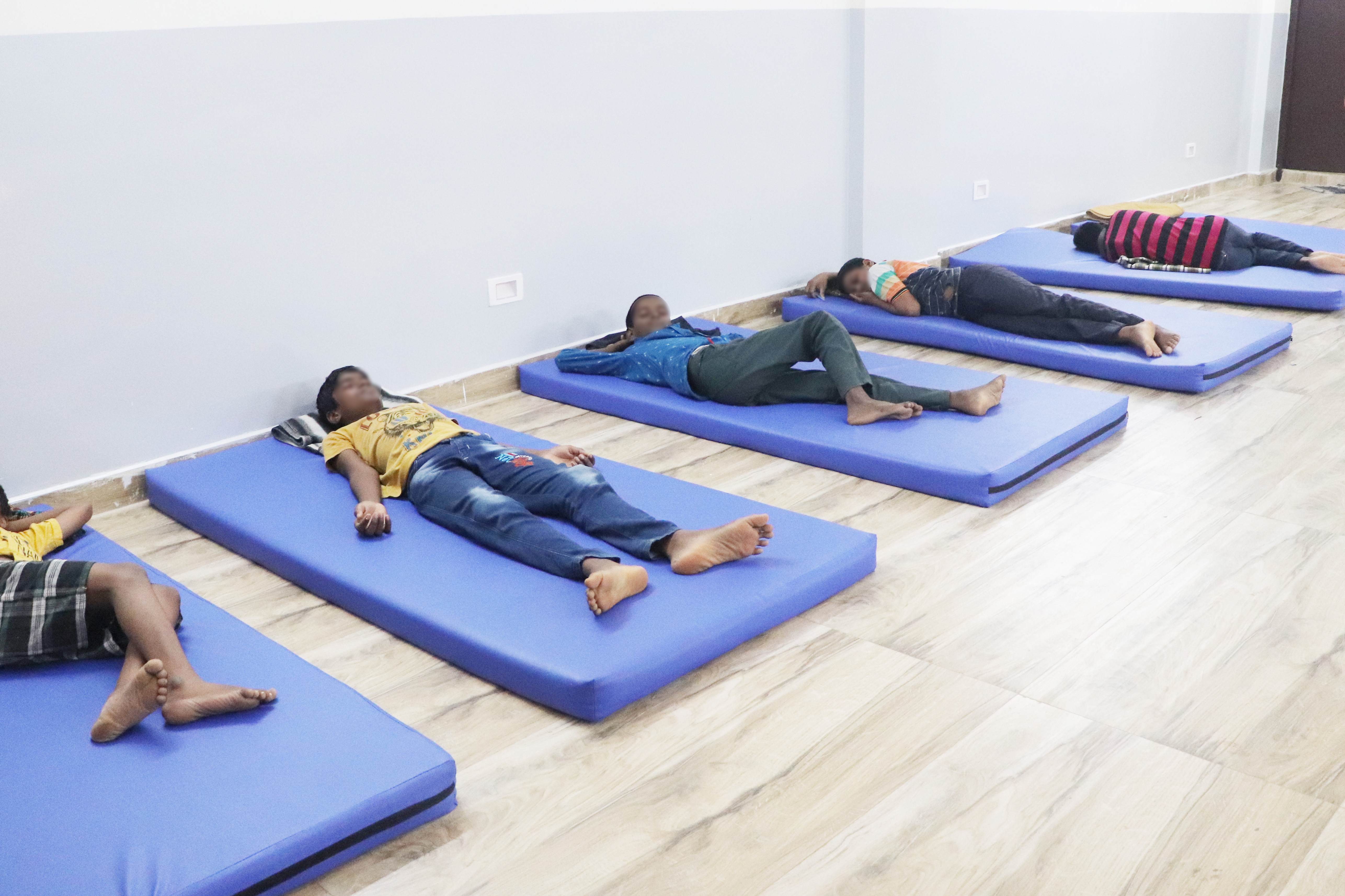
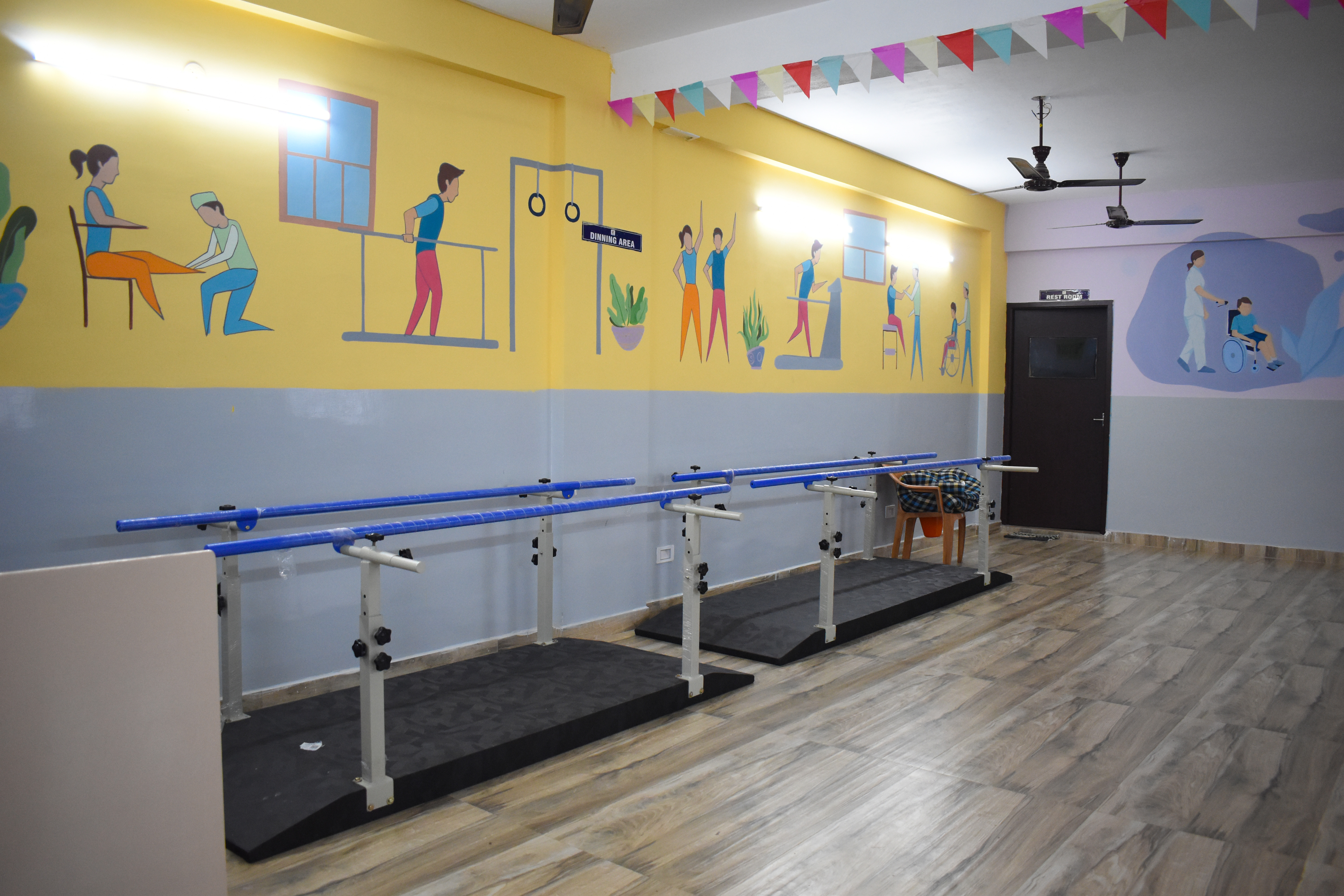
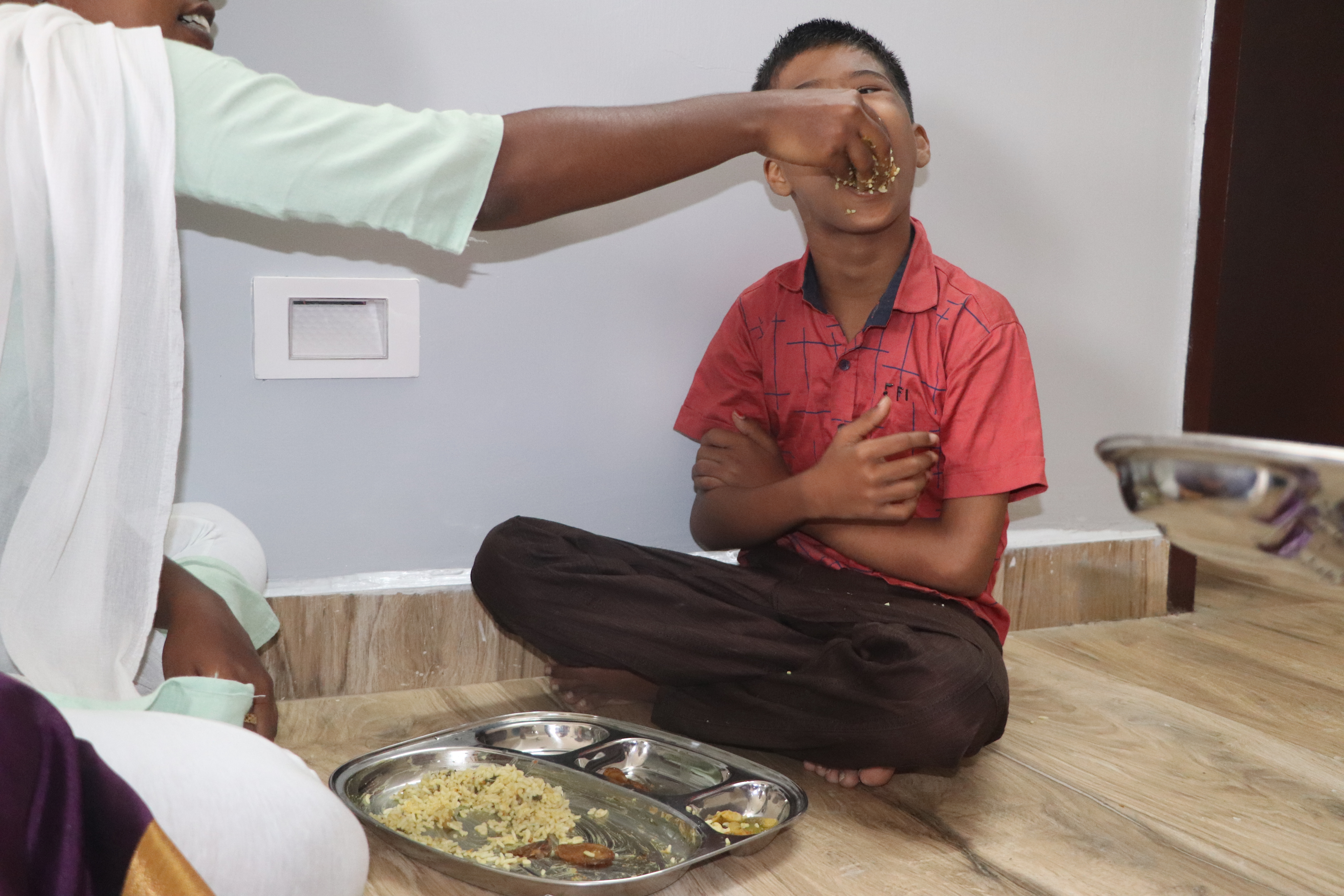
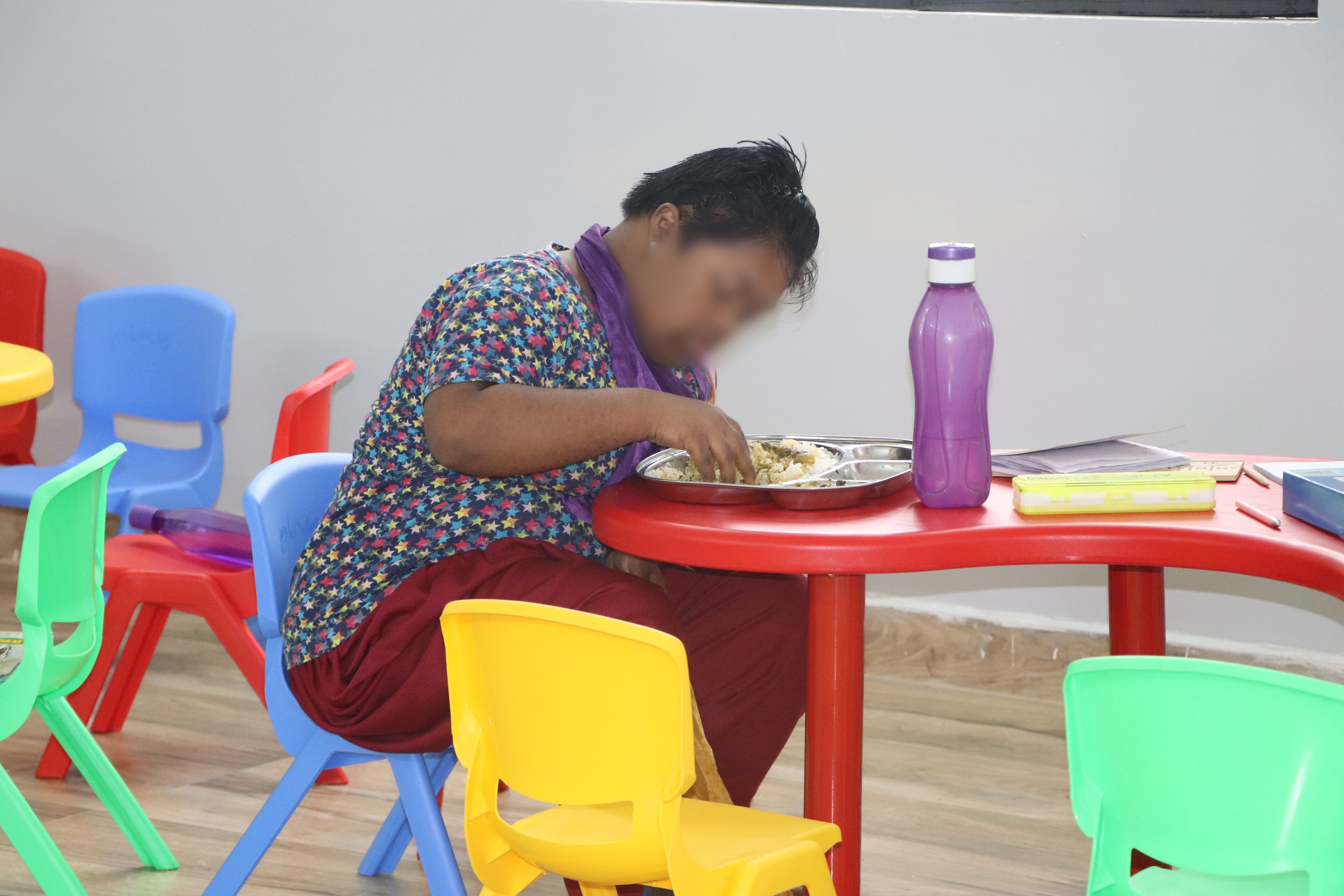
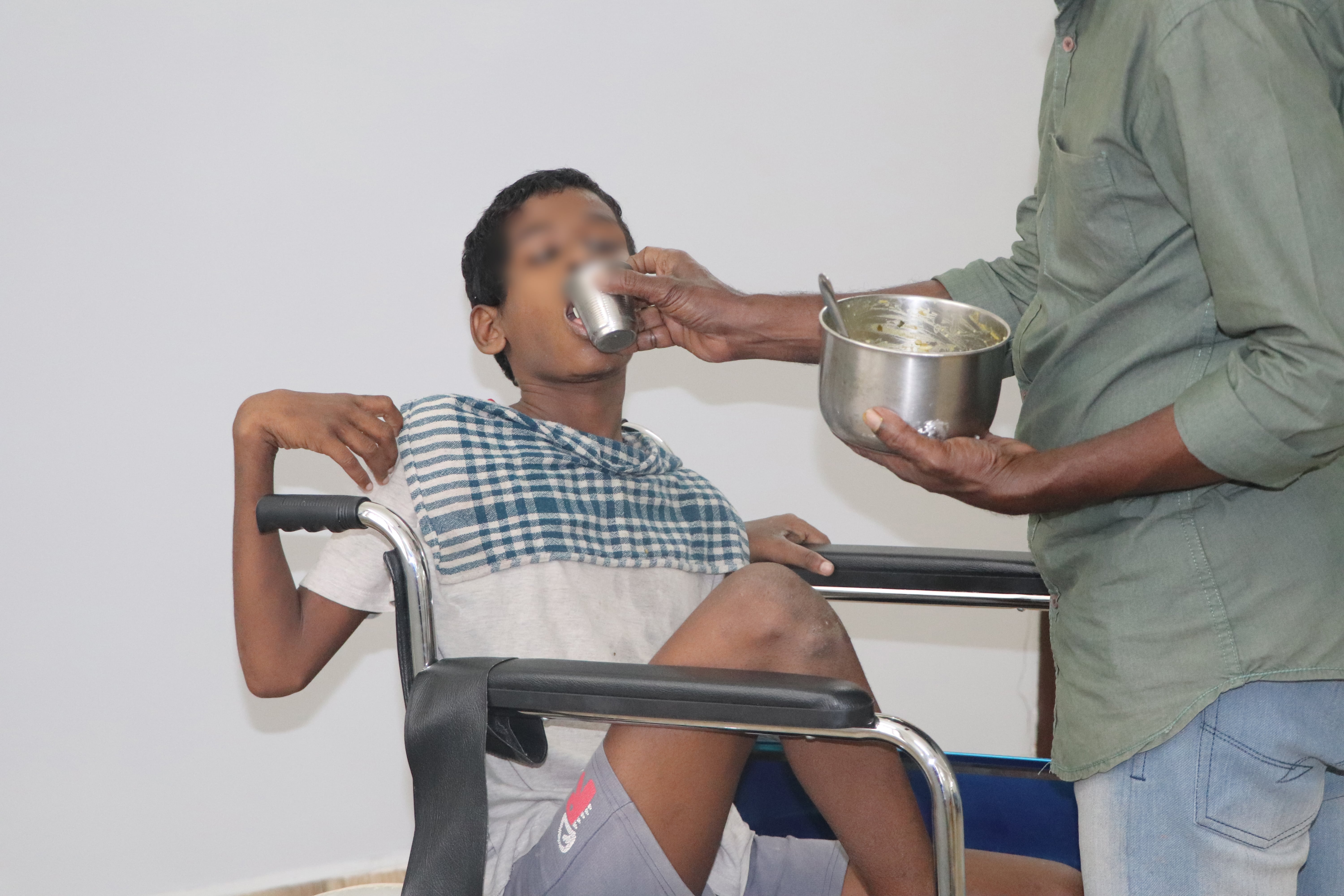
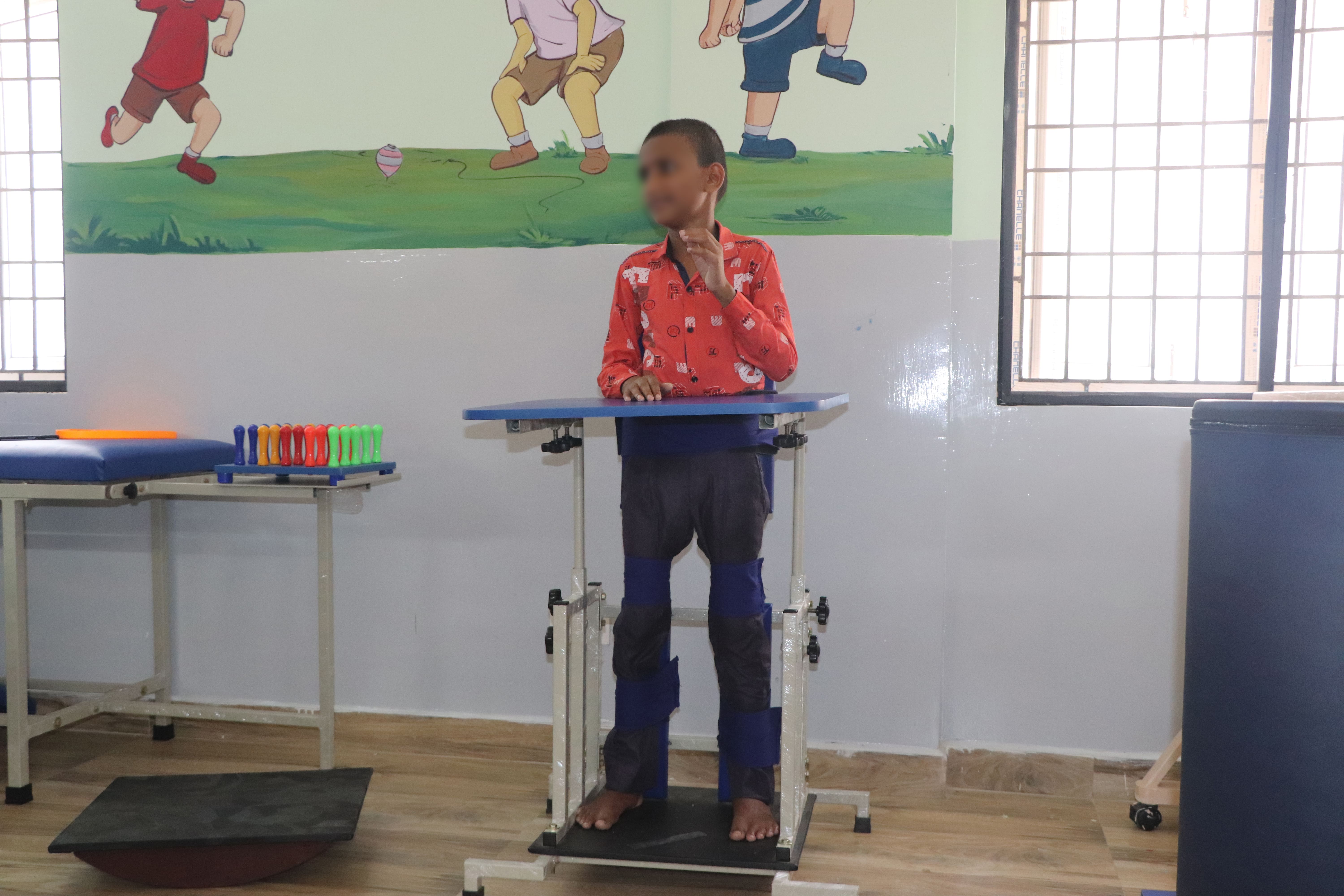
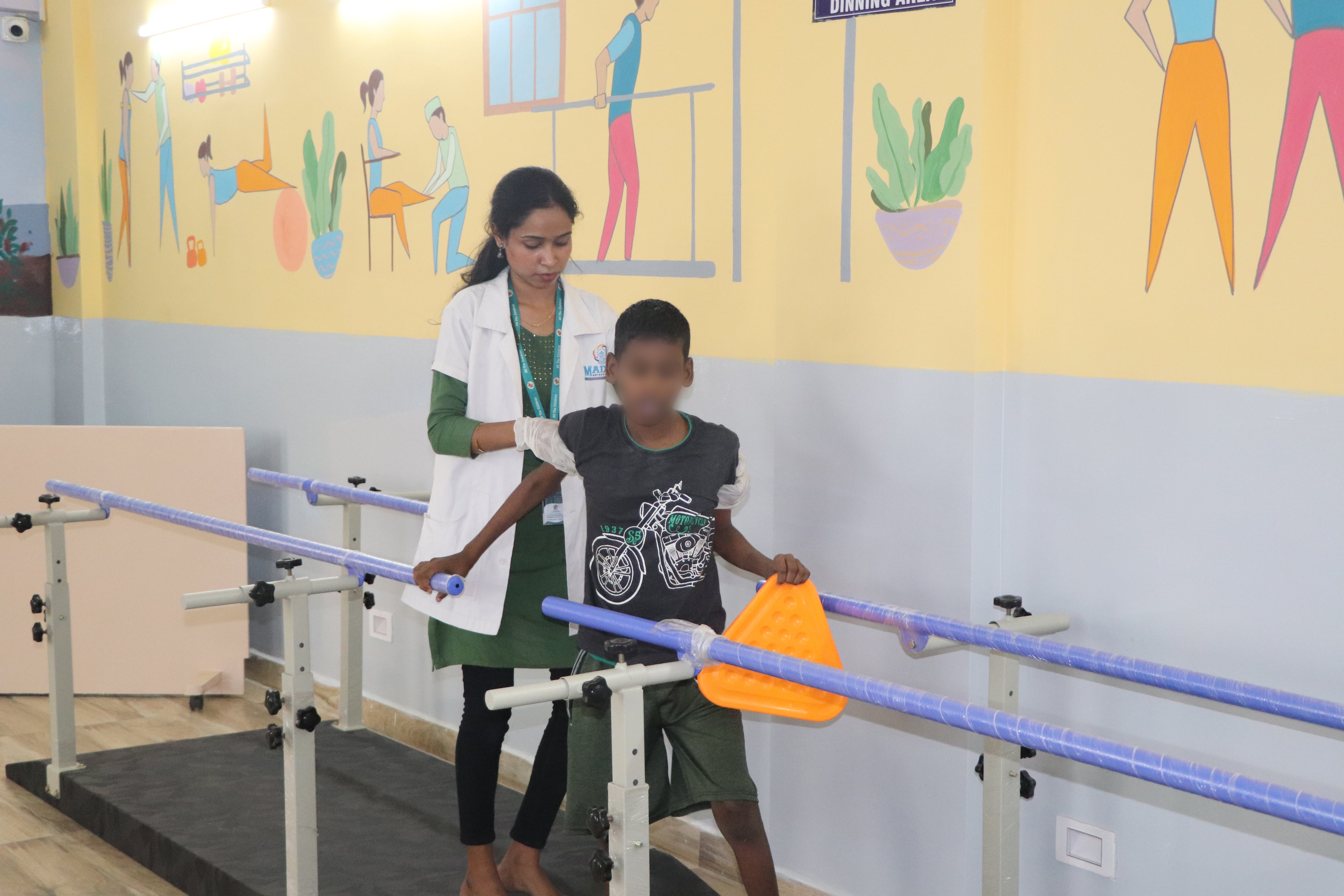
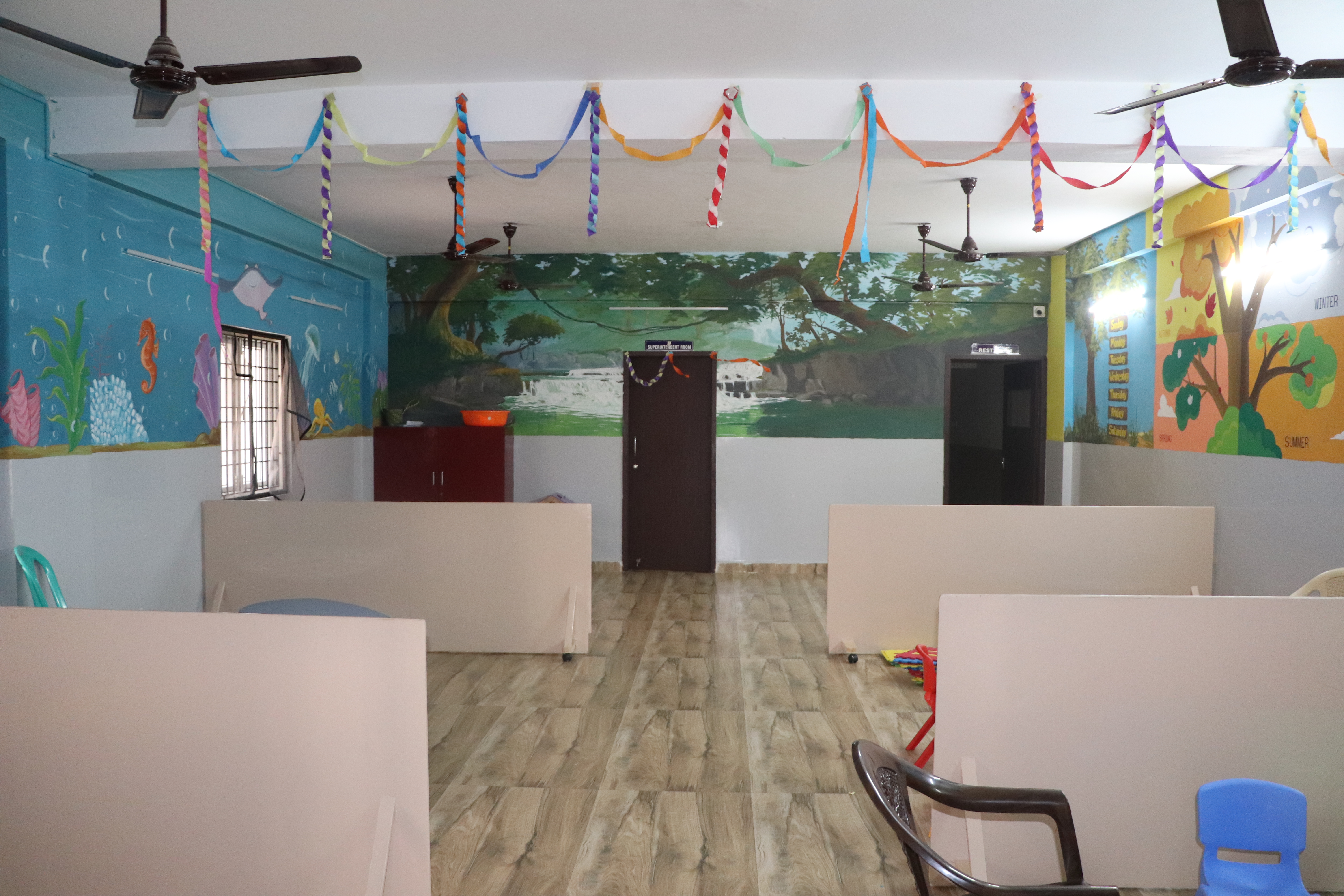
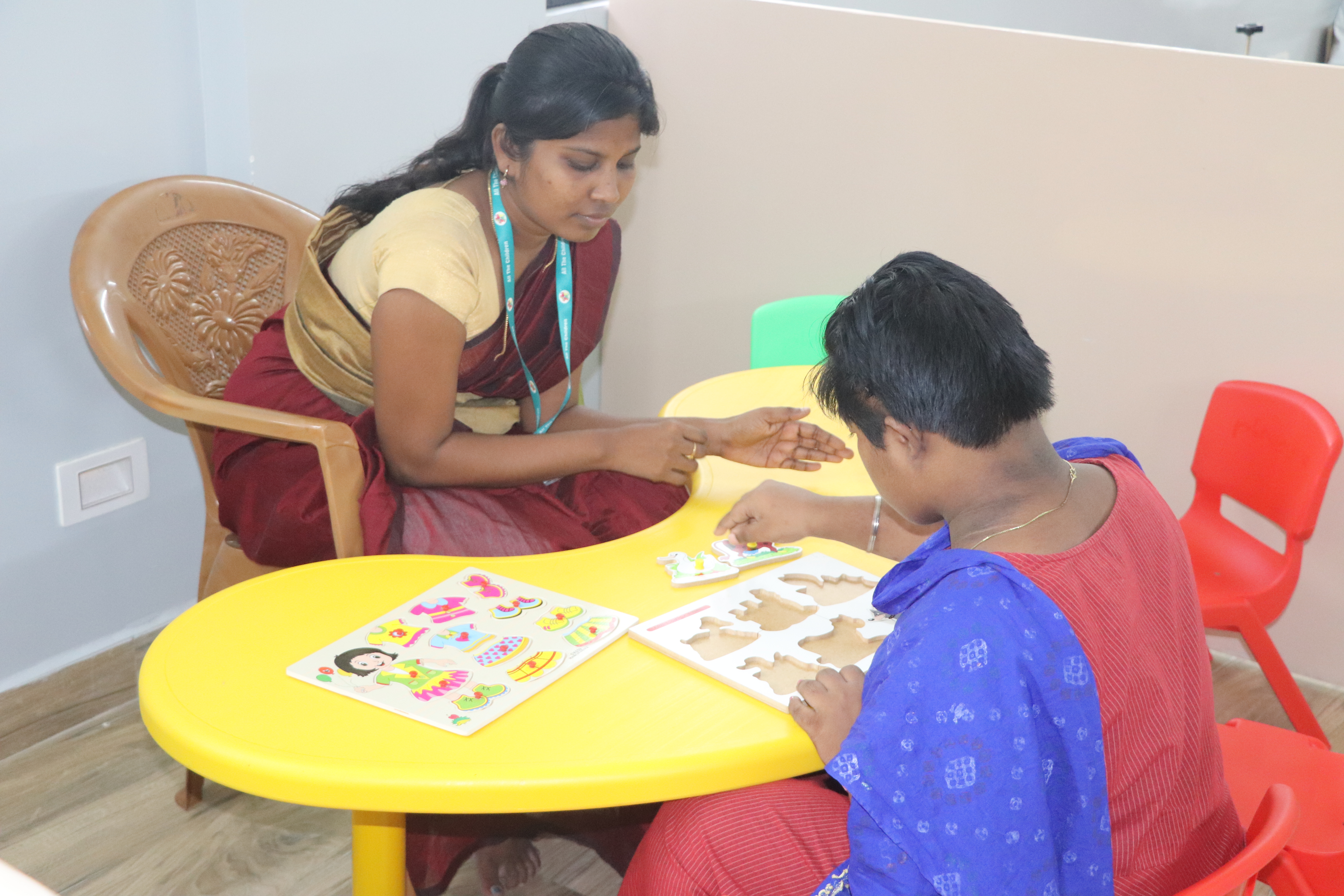
The Facilities we have arranged for the ID children are as follows:
Treatment and Support Approaches
Though there is no cure for intellectual disability, many therapies and supports can greatly improve quality of life and independence:
Specialized Education: Tailored learning environments to support academic and social development.
Speech and Language Therapy: Enhances communication abilities.
Occupational Therapy: Builds skills for daily living and motor function.
Behavioral Therapy: Helps manage behaviors and promote social skills.
Family and Caregiver Support: Education and counseling to strengthen home environments.
Health Monitoring: Regular screenings for associated conditions like seizures or sensory impairments.
A multidisciplinary team involving educators, therapists, healthcare providers, and families works collaboratively to maximize each child’s potential.
Our Commitment to Holistic Care
At Zhagaram, our Intellectual Disability department offers personalized, compassionate care with a focus on empowering each child and their family. By providing a blend of education, therapy, and life skills training, we strive to nurture growth, independence, and inclusion in the community. Our goal is a future where every child, regardless of ability, lives with dignity, opportunity, and hope.